انتقل إلى المحتوى الرئيسي
الإعدادات

أسئلة تدريبية

أسئلة وأجوبة اختبار القيادة النظري في أبوظبي

60 سؤالًا من اختبارات المعلومات في نهاية الفصول الدراسية الـ10، ولكلٍّ منها إجابته وسببها وصفحة الدليل.

هذه الأسئلة أسئلة تدريبية، وليست أسئلة الاختبار الرسمي.

الفصل 1 · 6 أسئلة

تنظيم الطرق

Why are most road signs that direct traffic placed on the right-hand side of the road?

  1. A. Because the right side is better lit at night
  2. B. Because we drive on the right-hand side
  3. C. Because signs on the left are not permitted
  4. D. Because pedestrians walk on the left side
اعرض الإجابة

الإجابة هي B: Because we drive on the right-hand side.

Since we drive on the right-hand side of the road, most signs are placed on the right. Some also appear on the left where that is more suitable.

المصدر: Handbook §1.2.1, p. 14
Where should you position your car before turning right?

  1. A. Close to the centre line of the road
  2. B. In the middle of your lane, as usual
  3. C. Wide to the left, to make the turn easier
  4. D. As close to the right-hand edge as traffic allows
اعرض الإجابة

الإجابة هي D: As close to the right-hand edge as traffic allows.

Drivers turning right should keep as close to the right-hand edge of the carriageway as is appropriate for traffic conditions, and stay as far right as possible through the turn.

المصدر: Handbook §1.4.3, p. 17

On a narrow road a parked truck blocks your side. A car is coming the other way. Who gives way?

  1. A. You do, because the obstacle is on your side
  2. B. The oncoming car, because you are closer
  3. C. The oncoming car, if you flash your lights
  4. D. Whichever of the two vehicles is smaller
اعرض الإجابة

الإجابة هي A: You do, because the obstacle is on your side.

Vehicles on the same side of the road as an obstacle ahead must give way to vehicles approaching from the opposite direction.

المصدر: Handbook §1.4.5, p. 18

According to the handbook, what does flashing your headlights or high beam mean to other road users?

  1. A. That you are giving them priority
  2. B. That you are thanking them
  3. C. Exactly the same as sounding the horn
  4. D. That your car has broken down
اعرض الإجابة

الإجابة هي C: Exactly the same as sounding the horn.

Flashing your headlights or high beam has the same meaning as sounding the horn, no more and no less: it warns of your presence to avert a danger.

المصدر: Handbook §1.10.2, p. 28

You indicated before changing lanes and a collision followed. How does having signalled affect your responsibility?

  1. A. It transfers the responsibility to the other driver
  2. B. It does not release you from responsibility
  3. C. It halves the responsibility between both drivers
  4. D. It removes responsibility if you signalled early
اعرض الإجابة

الإجابة هي B: It does not release you from responsibility.

Giving a signal does not release you from responsibility in the event of an accident. You must keep paying attention and showing consideration after you signal.

المصدر: Handbook §1.10.1, p. 27

What does defensive driving enable you to do?

  1. A. Reach your destination in the shortest time
  2. B. Insist on your right of way at junctions
  3. C. Drive safely without checking your mirrors
  4. D. Predict risks and avoid danger
اعرض الإجابة

الإجابة هي D: Predict risks and avoid danger.

Defensive driving enables you to predict risks and avoid danger. It means staying aware of the risks at all times and doing your best to prevent accidents.

المصدر: Handbook §1.12, p. 31

اقرأ الفصل 1

الفصل 2 · 6 أسئلة

القيادة داخل حدود المدينة

According to the handbook, how much of the information you need to manage your car in traffic do your eyes provide?

  1. A. 50%
  2. B. 70%
  3. C. 90%
  4. D. 100%
اعرض الإجابة

الإجابة هي C: 90%.

Your eyes provide you with 90% of all the information you need to manage your car in traffic, which is why any visual defect is likely to affect your driving.

المصدر: Handbook §2.2.2, p. 40

Why does the handbook say it is essential to keep shifting your gaze as you drive?

  1. A. Because a fixed gaze tires the eyes within a few minutes
  2. B. Because only a tiny central area is actually in focus
  3. C. Because peripheral vision stops working when the eyes are still
  4. D. Because mirrors must be checked at fixed intervals
اعرض الإجابة

الإجابة هي B: Because only a tiny central area is actually in focus.

The central visual field is the tiny area in which the image is actually in focus; everything else is blurred. So it is essential to keep shifting your gaze in order to scan every part of the road ahead.

المصدر: Handbook §2.2.1, p. 39

The vehicle ahead has moved over and is clearly signalling that it is about to turn left. On which side does the handbook allow you to overtake it?

  1. A. On the right side
  2. B. On the left side, before it begins to turn
  3. C. On either side, provided you sound the horn
  4. D. On the left side, using the oncoming lane
اعرض الإجابة

الإجابة هي A: On the right side.

You may overtake if the vehicle ahead has clearly indicated, by a visual signal and by its position on the road, that it is about to turn left, and if you overtake on the right side.

المصدر: Handbook §2.4.1, p. 43

A Parking Prohibited sign covers the stretch of road where you want to drop off a passenger. What does the handbook say?

  1. A. You may not stop there for any reason at all
  2. B. You may stop and wait as long as you stay in the car
  3. C. You may stop only if you hold a special permit
  4. D. You may stop, but without unnecessary delay
اعرض الإجابة

الإجابة هي D: You may stop, but without unnecessary delay.

A Parking Prohibited sign means that although you may stop to pick up or drop off passengers or goods, you must do so without unnecessary delay.

المصدر: Handbook §2.5.2, p. 47

You need to pull up at the roadside with traffic following you. Besides giving the correct signal, what extra precaution does the handbook advise?

  1. A. Switch on your hazard lights well before you stop
  2. B. Press gently on the brake pedal several times
  3. C. Sound the horn briefly to alert the drivers behind
  4. D. Brake firmly once so that the stop is over quickly
اعرض الإجابة

الإجابة هي B: Press gently on the brake pedal several times.

In addition to giving the correct signal, it is advisable to press gently on your brake pedal several times, to alert the drivers behind you and give them time to take appropriate action.

المصدر: Handbook §2.5.1, p. 45

You are making a U-turn at a junction that has provision for U-turns. To whom must you give way?

  1. A. To nobody, since U-turn lanes have priority
  2. B. Only to vehicles that are larger than yours
  3. C. To all oncoming traffic
  4. D. Only to traffic turning out of side roads
اعرض الإجابة

الإجابة هي C: To all oncoming traffic.

Position in the left lane and make the U-turn at the junction, giving way to all oncoming traffic. This applies even at traffic lights and designated U-turn sites, where oncoming traffic normally has a red light.

المصدر: Handbook §2.5.3, p. 47

اقرأ الفصل 2

الفصل 3 · 6 أسئلة

القيادة خارج حدود المدينة

Which three things does the handbook say a systematic check of your car before setting out should take into account?

  1. A. The price of fuel, the traffic news and the time of day
  2. B. The number of passengers, their ages and their luggage
  3. C. The speed limits, the toll gates and the parking rules
  4. D. The weather, your destination and the state of the road
اعرض الإجابة

الإجابة هي D: The weather, your destination and the state of the road.

You must be able to carry out a systematic check of your car, taking into account the weather, your destination and the state of the road. The driver’s manual gives advice and instructions.

المصدر: Handbook §3.1.1, p. 52

If you need to brake for a bend, when should you do it?

  1. A. Before you enter the bend
  2. B. Halfway round the bend
  3. C. At the sharpest point of the bend
  4. D. Just as you leave the bend
اعرض الإجابة

الإجابة هي A: Before you enter the bend.

Avoid braking on a bend: it can make the vehicle unstable and, the sharper the bend, the more likely a skid. Slow down before the bend and increase speed only when the wheel is straight again.

المصدر: Handbook §3.1.2, p. 57

After a long motorway drive you take your exit. Slowing down, the car feels as if it is almost standing still. What should you rely on to judge your speed?

  1. A. The sound of the engine
  2. B. The speed of the cars around you
  3. C. Your speedometer
  4. D. Your own feel for the speed
اعرض الإجابة

الإجابة هي C: Your speedometer.

This is speed blindness: after driving fast you lose your sense of speed, so 60 km/h can seem more like 40 km/h. Check your speedometer, which gives the actual speed.

المصدر: Handbook Chapter 3, pp. 55, 69Speed blindness is section 3.1.2.4 (page 55); the 60-feels-like-40 example is in section 3.4.4 (page 69).

On a main road you see workers repairing the surface ahead. What does the handbook ask you to do?

  1. A. Keep your speed and sound the horn as a warning
  2. B. Slow down in good time and keep well clear of the site
  3. C. Pass close to the site to leave room for other traffic
  4. D. Switch on your hazard lights and keep your speed
اعرض الإجابة

الإجابة هي B: Slow down in good time and keep well clear of the site.

Road workers must concentrate on their work while watching for traffic. Show consideration: slow down in good time and keep well clear of the repair works site.

المصدر: Handbook §3.2.1, p. 59

You are waiting at a stop line to turn onto a major road. A car approaching from your left is indicating right, as if to turn into your road. What should you do?

  1. A. Pull out at once, because that car is turning off
  2. B. Pull out slowly while you watch its indicator
  3. C. Stay where you are until you know it is safe
  4. D. Flash your headlights, then pull out ahead of it
اعرض الإجابة

الإجابة هي C: Stay where you are until you know it is safe.

Do not trust another driver’s indicator. Drivers often leave indicators on or switch them on accidentally, and an indicating vehicle could be hiding another vehicle behind it.

المصدر: Handbook §3.3.1, p. 60

What does the handbook say about who should go with you when you drive off-road on sand dunes?

  1. A. Going alone is fine if you carry a mobile phone
  2. B. Going alone is fine if you stay near a main road
  3. C. Take one passenger who can push if you get stuck
  4. D. Never go alone; take at least one other vehicle
اعرض الإجابة

الإجابة هي D: Never go alone; take at least one other vehicle.

Never drive alone off-road. Always travel with at least one other vehicle so that help is at hand: if one gets stuck, the other can go for help. Tell family and friends about your plans too.

المصدر: Handbook §3.5, p. 70

اقرأ الفصل 3

الفصل 4 · 6 أسئلة

القيادة في الظروف الصعبة

On a long summer drive along a motorway you start to feel sleepy. Where does the handbook say you should rest?

  1. A. At a service area, or after leaving the motorway
  2. B. On the hard shoulder, with your hazard lights on
  3. C. In the right-hand lane, driving more slowly
  4. D. Nowhere; open the window and keep driving
اعرض الإجابة

الإجابة هي A: At a service area, or after leaving the motorway.

If you feel sleepy, stop and rest where it is safe to do so. Never stop on the hard shoulder of a motorway when you feel tired; use the service areas or get off the motorway.

المصدر: Handbook §4.1.2, p. 75

You pull up at the side of the road at night to wait for a friend for a few minutes. It is not an emergency. Which lights should be on?

  1. A. Dipped headlights, because the stop is only a short one
  2. B. Full-beam headlights, so the car can be seen from far away
  3. C. Parking lights, with the headlights switched off
  4. D. No lights at all, so that nobody is dazzled
اعرض الإجابة

الإجابة هي C: Parking lights, with the headlights switched off.

Always switch off your headlights when you stop, even for a short while, because their fixed glare can be very dazzling. When you stop at night, switch on your parking lights instead.

المصدر: Handbook §4.2.9, p. 78

The handbook lists three factors that cause a skid in order of importance. Which one comes first?

  1. A. The vehicle
  2. B. The driver
  3. C. The road conditions
  4. D. The weather
اعرض الإجابة

الإجابة هي B: The driver.

The three factors, in order of importance, are the driver, the vehicle and the road conditions. Skids do not just happen: they usually follow braking too hard, accelerating too quickly or steering too sharply.

المصدر: Handbook §4.5.4, p. 84

Which of these best describes aquaplaning?

  1. A. The brakes fade after being soaked in deep flood water
  2. B. The windscreen is blinded by spray from vehicles ahead
  3. C. The driving wheels spin when you accelerate out of a corner
  4. D. The car skids along a layer of water and cannot be steered
اعرض الإجابة

الإجابة هي D: The car skids along a layer of water and cannot be steered.

Aquaplaning (hydroplaning) happens when a tyre cannot drain away the water on the road. The car skids along the surface of a layer of water and becomes impossible to steer or brake.

المصدر: Handbook §4.5.2, p. 83

On a flooded road, where does the handbook say the water is probably shallowest?

  1. A. Close to the right-hand edge of the road
  2. B. Close to the left-hand edge of the road
  3. C. At the crown, or centre, of the road
  4. D. In the wheel tracks left by other vehicles
اعرض الإجابة

الإجابة هي C: At the crown, or centre, of the road.

Because of the incline of the road, flood water is probably deepest near the edge and shallowest at the crown or centre. Keep to the shallowest part when you drive through.

المصدر: Handbook §4.5.3, p. 84

A strong shamal is blowing sand across the highway and you can hardly see the road ahead. What does the handbook call the sensible thing to do?

  1. A. Pull over and stop at the side of the road until it passes
  2. B. Speed up to get out of the sandstorm more quickly
  3. C. Follow the tail lights of the vehicle ahead closely
  4. D. Move to the middle of the road and keep going
اعرض الإجابة

الإجابة هي A: Pull over and stop at the side of the road until it passes.

Sand blown from the desert obscures visibility. In a strong shamal it is sensible to pull over and stop at the side of the road until the storm has passed and visibility is clear again.

المصدر: Handbook §4.4, p. 81

اقرأ الفصل 4

الفصل 5 · 6 أسئلة

المواقف الحرجة

The handbook names speeding as a principal cause of road accidents. What does it say a closer look reveals as the root cause?

  1. A. Roads that are poorly designed
  2. B. Vehicles that are badly maintained
  3. C. A lack of road courtesy
  4. D. Weather that reduces visibility
اعرض الإجابة

الإجابة هي C: A lack of road courtesy.

Speeding is considered the principal cause, but the handbook says the root cause is a lack of road courtesy: some drivers forget that the road is not their private property.

المصدر: Handbook §5.1, p. 91

You are behind a long lorry and cannot see the road ahead clearly. You are unsure whether to overtake. What does the handbook remind you?

  1. A. It is always permissible to refrain from overtaking
  2. B. Once you have indicated, you should always go
  3. C. A long vehicle must slow down to let you pass
  4. D. Overtaking quickly is safer than waiting behind
اعرض الإجابة

الإجابة هي A: It is always permissible to refrain from overtaking.

Overtaking with a restricted view of the road ahead is a listed cause of overtaking accidents. The handbook’s reminder is that it is always permissible to refrain from overtaking.

المصدر: Handbook §5.2.5, p. 94

Which of these does the handbook list as a common cause of accidents at pedestrian crossings?

  1. A. Braking early when approaching the crossing
  2. B. Overtaking a vehicle that has stopped for a pedestrian
  3. C. Stopping a long way back from the crossing
  4. D. Driving with dipped headlights near the crossing
اعرض الإجابة

الإجابة هي B: Overtaking a vehicle that has stopped for a pedestrian.

The listed causes are not noticing or ignoring the pedestrian, an obstructed view, driving too fast, neglecting to scan the road, and overtaking a vehicle that had stopped to let a pedestrian cross.

المصدر: Handbook §5.2.7, p. 95

How does the handbook compare accidents at junctions with traffic lights to those at uncontrolled junctions?

  1. A. More accidents, but they are usually minor
  2. B. More accidents, and they are more severe
  3. C. Fewer accidents, and they are usually minor
  4. D. Fewer accidents, but often very severe ones
اعرض الإجابة

الإجابة هي D: Fewer accidents, but often very severe ones.

Junctions with traffic lights have fewer accidents than uncontrolled junctions, but the accidents that happen are often very severe because of the high speeds involved.

المصدر: Handbook §5.3, p. 97

According to the handbook, when are animals least visible and most likely to stray onto the road?

  1. A. Around midday
  2. B. In the middle of the night
  3. C. At dawn and dusk
  4. D. During heavy rain
اعرض الإجابة

الإجابة هي C: At dawn and dusk.

Dawn and dusk are the times when animals are the least visible and most likely to stray onto the road, so widen your observation and slow down then.

المصدر: Handbook §5.4, p. 99

The handbook names three components of a safe traffic environment. Which one does it call the most important of all?

  1. A. Safer roads
  2. B. Better road behaviour
  3. C. Safer vehicles
  4. D. Stricter penalties
اعرض الإجابة

الإجابة هي B: Better road behaviour.

Safer roads, safer vehicles and better road behaviour are all needed, and if one is missing the system fails. Better road behaviour is described as the most important component of all.

المصدر: Handbook §5.6, p. 101

اقرأ الفصل 5

الفصل 6 · 6 أسئلة

سلوك القيادة وآداب الطريق

A driver willingly steps aside in traffic to make things easier for others and cares about the spirit of the law, not just its letter. Which stage has this driver reached?

  1. A. The ego stage
  2. B. The rule stage
  3. C. The community stage
  4. D. The overlearning stage
اعرض الإجابة

الإجابة هي C: The community stage.

The community stage is the highest of the three. A driver who has reached it is not afraid to step aside, feels a sense of community with other drivers and understands that the spirit of the law matters more than its letter.

المصدر: Handbook §6.1.1, p. 110

How does the handbook describe the impulsive personality?

  1. A. It acts first and thinks later
  2. B. It blames other people for its mistakes
  3. C. It pushes unpleasant thoughts to one side
  4. D. It copies the drivers around it without thinking
اعرض الإجابة

الإجابة هي A: It acts first and thinks later.

The impulsive personality acts first and thinks later. In traffic that is often the same as foolhardiness: it alarms other road users and can make the driver lose control of the vehicle.

المصدر: Handbook §6.2.1, p. 115

You pass the same quiet junction every day and almost never meet another car, so you have stopped slowing down for it. What does the handbook call this way of learning a bad habit?

  1. A. Reaction formation
  2. B. Learning by imitation
  3. C. Overlearning through repetition
  4. D. Probability conditioning
اعرض الإجابة

الإجابة هي D: Probability conditioning.

Probability conditioning means adapting your driving to how often you expect something to happen. Because other cars seldom come, you grow careless, and when one does come you do not stand a chance.

المصدر: Handbook §6.2.8, p. 117

Why does the handbook say that chatting with a passenger is not the same as talking on a mobile phone while driving?

  1. A. Because a passenger usually talks more quietly
  2. B. Because a passenger sees the traffic and keeps quiet
  3. C. Because a phone call normally lasts much longer
  4. D. Because a passenger can take the wheel if necessary
اعرض الإجابة

الإجابة هي B: Because a passenger sees the traffic and keeps quiet.

You adjust a conversation with a passenger to the traffic, and the passenger can see why you stop talking. A caller cannot see the road and is confused, so a phone call is not at all the same as talking to a passenger.

المصدر: Handbook §6.7.1, p. 126

Three friends in your car urge you to accelerate hard and overtake. You do it, although alone you never would. What is the handbook’s name for the force acting on you?

  1. A. Excessive stress
  2. B. Repression
  3. C. Group pressure
  4. D. Impulsiveness
اعرض الإجابة

الإجابة هي C: Group pressure.

Group pressure pushes a person to fall in with the wishes of others. The driver attaches more importance to the passengers’ opinions than to his or her own judgment and does things he or she would normally never do.

المصدر: Handbook §6.5.1, p. 122

The driver ahead of you hesitates and makes a clumsy mistake at a junction. According to the handbook, how does a safe driver respond?

  1. A. Sounds the horn so the driver learns from it
  2. B. Overtakes quickly to get clear of the driver
  3. C. Drives close behind to hurry the driver along
  4. D. Stays calm and adapts to the mistake
اعرض الإجابة

الإجابة هي D: Stays calm and adapts to the mistake.

A safe driver is not irritated by other people’s mistakes; he adapts to them. Responsibility includes remembering that other road users can sometimes make mistakes.

المصدر: Handbook §6.1.4, p. 111

اقرأ الفصل 6

الفصل 7 · 6 أسئلة

تعرّف على سيارتك

One electrical component in your car suddenly stops working completely. What is the first thing the handbook says to do?

  1. A. Top up the battery with distilled water
  2. B. Tighten the generator drive belt
  3. C. Check the fuse
  4. D. Connect jump leads to another car
اعرض الإجابة

الإجابة هي C: Check the fuse.

Components that use electricity are almost always fitted with a fuse to prevent fire or damage. If one fails completely, the first thing to do is check the fuse.

المصدر: Handbook §7.2.6, p. 138

Your battery is too low to start the engine and another driver offers a jump start. What does the handbook require of the other vehicle’s battery?

  1. A. It must be larger than your own battery
  2. B. It must be of the same voltage as yours
  3. C. It must be a maintenance-free battery
  4. D. It must come from the same make of car
اعرض الإجابة

الإجابة هي B: It must be of the same voltage as yours.

When you start a car with jump leads, the battery of the helping vehicle must be of the same voltage as your own.

المصدر: Handbook §7.2.6, p. 138

Which of these dashboard lights does the handbook describe as usually blue?

  1. A. The high-beam indicator light
  2. B. The oil pressure warning light
  3. C. The ignition warning light
  4. D. The ABS warning light
اعرض الإجابة

الإجابة هي A: The high-beam indicator light.

The high-beam indicator light is usually blue. The oil pressure and ignition warning lights are usually red, and the ABS fault light is described as yellow.

المصدر: Handbook §7.2.9, pp. 143, 146

You are driving towards a junction where the traffic light is red. Which approach fits the handbook’s principles of economical driving?

  1. A. Keep your speed up and brake firmly just before the stop line
  2. B. Accelerate so that you spend less time on the approach
  3. C. Change down early and hold the engine at a high engine speed
  4. D. Ease off early and brake by using the engine
اعرض الإجابة

الإجابة هي D: Ease off early and brake by using the engine.

Before a traffic light, brake by using the engine, that is, by decelerating, and approach so that the lights have time to change to green and you can continue without stopping unnecessarily.

المصدر: Handbook §7.3, p. 150

How does a load carried on a roof rack affect the car, according to the handbook?

  1. A. It presses the tyres down and shortens the braking distance
  2. B. It has no effect as long as the roof rack is securely fastened
  3. C. It sits above the centre of gravity and makes rolling over more likely
  4. D. It lowers the centre of gravity and steadies the car in corners
اعرض الإجابة

الإجابة هي C: It sits above the centre of gravity and makes rolling over more likely.

Any load placed on the roof is above the vehicle’s centre of gravity and increases the likelihood of it rolling over. Keep within the permitted roof load in your driver’s manual and secure the load firmly.

المصدر: Handbook §7.4, p. 151

On a straight, level road your car keeps drifting off to one side. Which of these does the handbook name as a possible cause?

  1. A. The engine oil is overdue for a change
  2. B. One of the front tyres has too little air
  3. C. The generator drive belt is badly adjusted
  4. D. The coolant level in the engine is too low
اعرض الإجابة

الإجابة هي B: One of the front tyres has too little air.

A car that tends to pull or drift to one side may need its wheels aligned, may have a fault in the steering gear, or may have too little air in one of its front tyres.

المصدر: Handbook §7.2.14, p. 149

اقرأ الفصل 7

الفصل 8 · 6 أسئلة

السلامة أثناء القيادة

What do the deformation zones at the front and back of a modern car do in a collision?

  1. A. Absorb much of the force of the impact
  2. B. Stop the bodywork from being damaged
  3. C. Protect mainly against impacts from the side
  4. D. Tighten the seat belts before the impact
اعرض الإجابة

الإجابة هي A: Absorb much of the force of the impact.

The front and back sections of the bodywork have deformation zones, which absorb much of the force of an impact and so reduce the effect on the driver and passengers.

المصدر: Handbook §8.1.1, p. 159

What kind of injury is the head restraint designed to reduce when one car runs into the back of another?

  1. A. Leg injuries from the pedals
  2. B. Chest injuries from the steering wheel
  3. C. Whiplash injuries to the head and neck
  4. D. Arm injuries from the opening airbag
اعرض الإجابة

الإجابة هي C: Whiplash injuries to the head and neck.

The head restraint reduces the risk of head and neck injury if you run into the rear of the car in front or someone runs into you from behind. These are called whiplash injuries, so sit close to the backrest and head restraint.

المصدر: Handbook §8.1.2, p. 160

How should the lap part of a seat belt fit?

  1. A. Loosely across the stomach
  2. B. Snugly across the stomach
  3. C. Loosely over the hips
  4. D. Snugly over the hips
اعرض الإجابة

الإجابة هي D: Snugly over the hips.

Lap belts should fit snugly over the hips rather than the stomach, and a tight-fitting belt gives more protection than a loose one. An incorrectly worn belt may make an injury worse.

المصدر: Handbook §8.1.3, p. 161

A parent drives with a small child sitting on their lap. According to the handbook, what happens to the child if there is an accident?

  1. A. The parent’s arms are strong enough to hold the child safely in place
  2. B. The child is trapped between the steering wheel and the driver’s body
  3. C. The airbag in the steering wheel cushions the child from the impact
  4. D. The child is kept safe because the driver is wearing a seat belt
اعرض الإجابة

الإجابة هي B: The child is trapped between the steering wheel and the driver’s body.

Placing a child on the driver’s lap is asking for trouble. In an accident the child is trapped between the steering wheel and the body of the driver, which has a force on impact equal to several times his or her actual weight.

المصدر: Handbook §8.1.5, p. 163

Stopping distance is measured from which moment until the car is at a complete standstill?

  1. A. The moment the driver sees danger ahead
  2. B. The moment the driver presses the brake
  3. C. The moment the wheels begin to lock
  4. D. The moment the car begins to slow down
اعرض الإجابة

الإجابة هي A: The moment the driver sees danger ahead.

The stopping distance is the distance travelled from the moment the driver sees danger ahead until the car comes to a complete standstill. It is the thinking distance and the braking distance added together.

المصدر: Handbook §8.2.1, p. 167

You take a bend with the correct steering angle, but the front wheels lose traction and the car is forced wide. What does the handbook call this?

  1. A. Oversteer
  2. B. Aquaplaning
  3. C. Understeer
  4. D. Wheel lock
اعرض الإجابة

الإجابة هي C: Understeer.

Understeer occurs when traction is lost at the front wheels while cornering, forcing you wide on a bend despite the correct steering angle. A front-engined car normally tends to understeer.

المصدر: Handbook §8.3, p. 171

اقرأ الفصل 8

الفصل 9 · 6 أسئلة

تجنّب الخطر على الطريق

Which list gives the four hazard perception skills the handbook tells you to learn?

  1. A. Scan, process, prioritize, take action
  2. B. Look, signal, accelerate, overtake
  3. C. Watch, wait, brake, sound the horn
  4. D. Scan, signal, steer, take action
اعرض الإجابة

الإجابة هي A: Scan, process, prioritize, take action.

The handbook calls hazard perception a survival skill and lists four things to learn: scan, process, prioritize and take action.

المصدر: Handbook Appendix: Avoiding danger on the road, p. 178

A learner says most of what they believe about road danger comes from news reports of crashes. Which of the handbook’s bases of risk perception does this describe?

  1. A. Personal experience of the adverse event
  2. B. Ability to exercise control over a risk
  3. C. Social and cultural background and beliefs
  4. D. Information gained from different sources
اعرض الإجابة

الإجابة هي D: Information gained from different sources.

One of the four things our perception of risk is based on is the extent to which information is gained from different sources, and the handbook’s example is the media.

المصدر: Handbook Appendix: Avoiding danger on the road, p. 177

A driver has been in a collision and now sees junctions as far more dangerous than before. Which of the handbook’s bases of risk perception is at work?

  1. A. Information gained from the media
  2. B. Social and cultural background and beliefs
  3. C. Personal experience of the adverse event
  4. D. Improved road signage and enforcement
اعرض الإجابة

الإجابة هي C: Personal experience of the adverse event.

The handbook lists personal experience of the adverse event as the first thing our perceptions of hazard and risk are based on.

المصدر: Handbook Appendix: Avoiding danger on the road, p. 177

How does the handbook describe hazard perception?

  1. A. As a natural talent
  2. B. As a survival skill
  3. C. As an optional extra
  4. D. As a matter of luck
اعرض الإجابة

الإجابة هي B: As a survival skill.

The handbook calls hazard perception a survival skill, because perceiving a hazard can mean the difference between life and death.

المصدر: Handbook Appendix: Avoiding danger on the road, p. 178

The appendix says it will seek to define, understand and calculate the risk you face on the road. What is the fourth thing it aims to do with risk?

  1. A. Accept it
  2. B. Share it
  3. C. Insure it
  4. D. Avoid it
اعرض الإجابة

الإجابة هي D: Avoid it.

The stated learning objective is to provide a framework for analysing the risk you face on the road: to define, understand, calculate and avoid risk.

المصدر: Handbook Appendix: Avoiding danger on the road, p. 177

You are working through the handbook’s self-check questions about your driving and are unsure about one of them. What does the handbook tell you to do?

  1. A. Give your first preference answer
  2. B. Leave the question out altogether
  3. C. Think it over for as long as you need
  4. D. Pick the answer that sounds safest
اعرض الإجابة

الإجابة هي A: Give your first preference answer.

The self-check comes with three instructions: do not spend too much time thinking about the answer, give your first preference answer if you are unsure, and be honest.

المصدر: Handbook Appendix: Avoiding danger on the road, p. 177

اقرأ الفصل 9

الفصل 10 · 6 أسئلة

الإشارات المرورية وعلامات الطريق

Unless something indicates otherwise, how long does a prohibitive sign apply after you pass it?

  1. A. For 150 to 250 metres
  2. B. Until the end of the street
  3. C. Until the next crossroads
  4. D. Until the next traffic light
اعرض الإجابة

الإجابة هي C: Until the next crossroads.

Prohibitive signs apply from the moment you pass the sign until you reach the next crossroads, unless local circumstances or the sign itself indicate otherwise.

المصدر: Handbook Appendix: Road traffic signs, p. 193

How does the handbook describe the appearance of a mandatory sign?

  1. A. Round, with a white border on a blue background
  2. B. Round, with a red border on a white background
  3. C. A red triangle that points upwards
  4. D. A rectangle on an orange background
اعرض الإجابة

الإجابة هي A: Round, with a white border on a blue background.

Mandatory signs are round with a white border on a blue background. They give a positive instruction, which is at the same time a ban on every other option.

المصدر: Handbook Appendix: Road traffic signs, p. 199

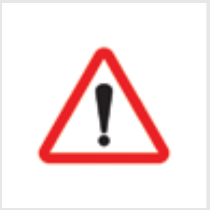
What does this warning sign mean, and how will you know more about what lies ahead?

A red-bordered triangle containing a single black exclamation mark.
  1. A. Stop ahead; a line on the road shows where
  2. B. Accident ahead; police will direct traffic
  3. C. End of all warnings; normal driving resumes here
  4. D. Hazard ahead; a supplementary sign may name it
اعرض الإجابة

الإجابة هي D: Hazard ahead; a supplementary sign may name it.

The exclamation mark warns of a hazard or other danger ahead. The exact hazard may be specified on a supplementary sign beneath it.

المصدر: Handbook Appendix: Road traffic signs, p. 192

A broken white line is painted across your lane at the entrance to a roundabout. What does it mean?

  1. A. You must always stop completely at the line
  2. B. Traffic on the road you are entering has priority
  3. C. You have priority over the traffic on the roundabout
  4. D. Pedestrians cross here and you must wait
اعرض الإجابة

الإجابة هي B: Traffic on the road you are entering has priority.

A broken white line across your lane is a Give Way line. Traffic on the road you want to enter, here the roundabout, has priority. Stop at the line if necessary.

المصدر: Handbook Appendix: Road markings, p. 217

Outside built-up areas, how far before a hazard is a warning sign normally positioned?

  1. A. 10 to 50 metres
  2. B. 50 to 100 metres
  3. C. 150 to 250 metres
  4. D. 500 to 1,000 metres
اعرض الإجابة

الإجابة هي C: 150 to 250 metres.

Warning signs are normally positioned 150 to 250 metres before the hazard. In built-up areas inside city limits the distance may be shorter.

المصدر: Handbook Appendix: Road traffic signs, p. 185

What does a broken yellow line painted along the kerb indicate?

  1. A. Parking is prohibited
  2. B. Parking is reserved for permit holders
  3. C. Parking is allowed for a short time
  4. D. The lane is reserved for buses
اعرض الإجابة

الإجابة هي A: Parking is prohibited.

A broken yellow kerbside line means parking is prohibited. It is used at bus stops and on kerbs at junctions. A continuous yellow line goes further: no stopping or parking.

المصدر: Handbook Appendix: Road markings, p. 223

اقرأ الفصل 10

تدرّب مع شرح كل إجابة في الاختبارات التدريبية